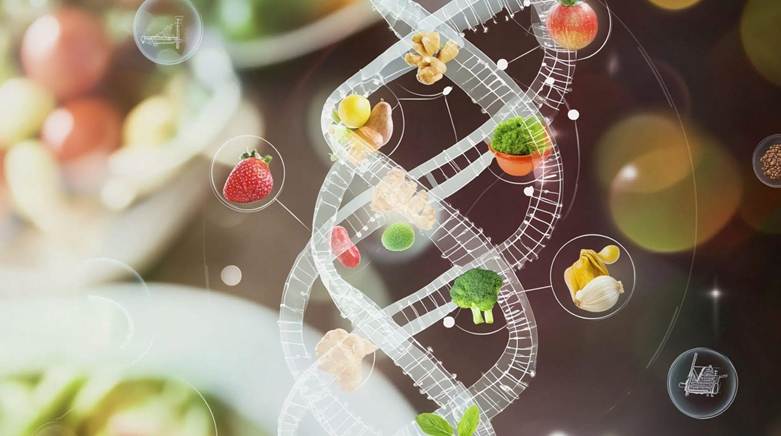
In discussions around performance optimization, Kevin Morgan of Rochester NY, often highlights an emerging shift in endurance science: the understanding that training and nutrition responses are not universal but biologically individualized. Nutrigenomics, the study of how genes interact with diet, is reshaping how athletes think about fuel, recovery, and adaptation.
Instead of asking what works for most people, the focus is increasingly shifting toward what works for a specific biological profile.
This introduces a more precise framework for endurance performance.
What Nutrigenomics Actually Means in Training Contexts
Nutrigenomics explores how genetic variations influence the body’s response to nutrients.
These variations can affect:
- How efficiently carbohydrates are metabolized
- How fats are used as an energy source
- How quickly inflammation is triggered or resolved
- How recovery systems respond to physical stress
In endurance training, these differences become especially relevant because energy demand is continuous and recovery cycles are tightly compressed.
No two athletes process the same training load in exactly the same way.
Why Standard Nutrition Models Often Fall Short
Traditional nutrition models are built on averages. They assume that broad guidelines will apply effectively across populations.
However, in endurance performance:
- Energy expenditure varies significantly between individuals
- Recovery rates differ based on metabolic response
- Inflammation and fatigue thresholds are highly personalized
This means that identical diets can produce very different outcomes depending on genetic makeup.
What supports performance in one individual may create inefficiencies in another.
The Genetic Influence on Energy Utilization
One of the most important areas in nutrigenomics is energy metabolism.
Genetic variations can influence:
- Preference for carbohydrate vs fat oxidation
- Efficiency of glycogen storage
- Speed of energy depletion during sustained effort
For endurance athletes, this directly affects pacing strategy, fueling schedules, and long-duration output stability.
Instead of relying solely on standardized intake plans, performance can be optimized by aligning nutrition with metabolic tendencies.
Recovery Speed Is Partially Biologically Programmed
Recovery is not only a function of rest. It is also influenced by how the body responds to inflammation and cellular repair.
Genetic differences can affect:
- Inflammatory response intensity
- Muscle repair efficiency
- Oxidative stress management
This means that two individuals performing the same workout may require different recovery timelines.
Understanding these differences allows for more accurate training load planning and injury prevention strategies.
How Nutrigenomics Changes Endurance Strategy
When applied to endurance training, nutrigenomics shifts the focus from uniform programming to adaptive design.
This includes:
- Adjusting macronutrient ratios based on metabolic response
- Tailoring carbohydrate timing around training intensity
- Modifying recovery protocols based on inflammation markers
- Aligning hydration and electrolyte strategies with individual needs
Training becomes less about fixed rules and more about biological feedback loops.
The Role of Personalization in Performance Efficiency
Efficiency in endurance sports is not just about effort output. It is about minimizing wasted energy.
Personalized nutrition can improve:
- Sustained energy availability
- Mental clarity during long efforts
- Post-training recovery quality
- Consistency across training cycles
When fueling aligns with biology, performance becomes more stable and less variable.
Genetic Variation and Appetite Regulation
Another important aspect of nutrigenomics is appetite and satiety signaling.
Genetic differences may influence:
- Hunger response after training
- Cravings under caloric deficit
- Satiety timing after meals
This can significantly impact endurance athletes who rely on precise energy balance over long training periods.
Understanding these patterns helps prevent both under-fueling and overcompensation.
Beyond Performance: Injury Risk and Adaptation
Nutrigenomics also plays a role in structural resilience.
Certain genetic markers can influence:
- Tendon and ligament recovery speed
- Bone density adaptation
- Susceptibility to overuse stress
These factors directly affect injury risk over long training cycles.
By recognizing biological predispositions, training load can be adjusted more intelligently.
From Generic Plans to Adaptive Systems
Traditional training systems often rely on fixed plans. Nutrigenomics introduces a more adaptive model.
This model operates on three principles:
- Observation – tracking how the body responds to inputs
- Adjustment – modifying nutrition based on response patterns
- Iteration – refining strategy over time for optimization
This creates a continuous feedback loop between biology and performance strategy.
The Intersection of Data and Biology
Modern performance optimization increasingly relies on data integration.
Nutrigenomics can be combined with:
- Training metrics (pace, heart rate, power output)
- Recovery indicators (sleep quality, soreness, fatigue)
- Dietary logs and metabolic responses
When these data streams are analyzed together, a clearer picture of individual performance emerges.
This moves training closer to precision science rather than generalized programming.
Why Individual Response Matters More Than Theory
Scientific principles provide a foundation, but individual response determines outcomes.
Two athletes may follow identical protocols and still experience:
- Different energy levels
- Different recovery timelines
- Different adaptation rates
This variability is not inconsistency; it is biological design.
Recognizing this is central to an effective long-term training strategy.
Final Reflection: Biology as a Performance Blueprint
Nutrigenomics reframes endurance training and nutrition as an individualized system rather than a universal formula.
It suggests that performance is not only built through discipline and repetition but also through alignment with biological structure.
When training, nutrition, and genetics are considered together:
- Efficiency improves
- Recovery becomes more predictable
- Adaptation becomes more sustainable
In this framework, biology is not a limitation; it is a blueprint. And understanding that blueprint is what allows performance to evolve with precision over time.
