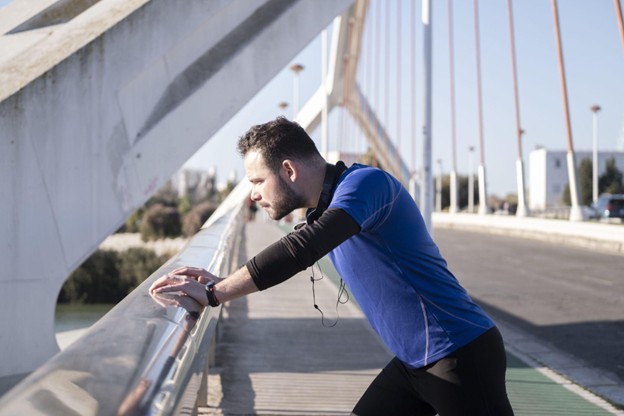
For endurance athletes looking to sharpen performance without sabotaging stamina, Kevin Morgan of Rochester NY, often emphasizes that caffeine is a tool, not a shortcut. Used strategically, it can elevate focus, delay fatigue, and improve output. Used poorly, it can spike energy early and leave you struggling before the finish line.
Understanding the caffeine curve, how it rises, peaks, and declines in the body, can make the difference between a strong closing mile and an unexpected crash.
Why Caffeine Works for Endurance
Caffeine is one of the most studied performance enhancers in sports science. Its effectiveness is tied to how it interacts with the central nervous system.
Here’s what happens physiologically:
- It blocks adenosine, a neurotransmitter that promotes fatigue.
- It increases alertness and perceived energy.
- It can improve muscle contraction efficiency.
- It enhances focus and reaction time.
In endurance settings, whether running, cycling, rowing, or participating in long training sessions, these benefits translate into reduced perceived exertion. Effort feels more manageable at the same intensity.
But dosage and timing determine whether that benefit lasts.
Understanding the Caffeine Curve
After ingestion, caffeine typically:
- The drug starts to enter the bloodstream within a span of 10-15 minutes.
- The concentration peaks around 45-60 minutes.
- The half-life of caffeine ranges from approximately 4-6 hours, depending on the individual.
That curve matters.
If caffeine peaks too early before your event hits its hardest stretch, you risk burning through its mental edge before you need it most. If taken too late, it may not fully activate during critical effort windows.
Strategic timing aligns the peak with peak exertion.
Pre-Event Dosing: The Foundation
For most endurance athletes, a moderate pre-event dose taken 30-60 minutes before the start is effective.
Research commonly suggests:
- 3-6 mg of caffeine per kilogram of body weight
For example:
- A 70 kg athlete may benefit from roughly 200-300 mg.
However, more is not always better. Higher doses increase the likelihood of:
- Jitters
- Elevated heart rate
- Gastrointestinal distress
- Early energy spikes followed by crashes
Testing caffeine during training, not on race day, is essential.
The Mid-Race Strategy
For longer endurance efforts (90 minutes or more), splitting caffeine intake can be more effective than a single large pre-race dose.
This might look like
- Consider a smaller pre-event intake of 2-3 mg/kg.
- A mid-event boost can be administered through a gel, chew, or drink.
This staggered approach maintains alertness deeper in the event and smooths the energy curve.
Instead of peaking too early, performance support extends into later stages when mental fatigue is strongest.
Avoiding the Crash
A mid-race crash is often the result of:
- Overconsumption early on
- Pairing caffeine with high-sugar spikes
- Dehydration
- Lack of pacing discipline
Caffeine alone does not cause the crash; mismanagement does.
To stabilise performance:
- Pair caffeine with steady hydration
- Avoid stacking multiple high-dose products
- Combine with consistent fueling (carbohydrates)
- Monitor heart rate and pacing
The goal is steady stimulation, not overstimulation.
Individual Sensitivity Matters
Genetics significantly influence how caffeine affects the body.
Some athletes metabolize caffeine quickly. Others process it slowly, meaning:
- Effects may linger longer
- Sleep disruption may occur
- Elevated heart rate may persist
Factors that influence response include:
- Habitual caffeine intake
- Body mass
- Stress levels
- Sleep quality
Athletes who consume caffeine daily may need slightly higher doses for performance effects, but this also raises tolerance concerns.
Cycling caffeine use (reducing intake before key races) may restore sensitivity.
Training with Caffeine: Yes or No?
There are two schools of thought:
Train With It
- Mimics race-day conditions
- Allows dosage experimentation
- Conditions the body to caffeine-assisted performance
Train Without It
- Preserves sensitivity
- Encourages natural energy system development
- Keeps caffeine as a “race-day advantage”
A balanced approach often works best: test it during specific sessions, but avoid relying on it daily.
Caffeine Forms: Choosing the Right Delivery
Not all caffeine sources behave the same way.
Coffee
- Variable caffeine content
- Slower absorption when combined with food
- Potential digestive unpredictability
Energy Gels & Chews
- Precise dosing
- Designed for athletic use
- Convenient mid-race
Capsules/Tablets
- Accurate measurement
- Minimal additives
- Predictable timing
Energy Drinks
- Often contain added sugars
- Risk of overconsumption
Precision matters most when performance is the goal.
Hydration and Caffeine
Contrary to outdated belief, moderate caffeine intake does not severely dehydrate trained individuals. However, combining caffeine with insufficient fluid intake can amplify discomfort.
Athletes should:
- Maintain fluid balance before and during events
- Avoid stacking caffeinated beverages without water
- Monitor sweat rate and electrolyte needs
Performance gains disappear quickly when hydration declines.
The Psychological Edge
Beyond physiology, caffeine offers a measurable psychological boost.
It can:
- Increase motivation
- Improve pain tolerance
- Enhance focus during monotonous effort
- Strengthen competitive drive
In endurance events, mental resilience often determines outcomes as much as physical conditioning.
But that edge should feel controlled, not chaotic.
Sample Timing Strategy for a Half Marathon
As an example:
- 45 minutes before start: -150-200 mg caffeine
- Mile 7-8: Small caffeinated gel (-30-50 mg)
- Consistent hydration throughout
This spreads stimulation across the event instead of front-loading it.
Again, personal experimentation in training is critical before adopting race-day strategies.
When to Avoid Caffeine
Despite its benefits, caffeine isn’t ideal for everyone.
Athletes may need caution if they experience:
- High resting heart rate
- Anxiety sensitivity
- Gastrointestinal issues
- Sleep disturbances before events
Caffeine alone cannot “fix” poor sleep before a race.
Recovery remains foundational.
Building a Smarter Caffeine Plan
To optimize endurance performance without crashing:
- Determine personal tolerance in training.
- Use moderate doses (avoid extremes).
- Align peak timing with peak effort.
- Consider splitting intake for long events.
- Avoid combining excessive caffeine with high sugar spikes.
- Protect sleep quality leading up to events.
Caffeine is not a magic switch. It is a lever that amplifies preparation.
Performance Without the Rollercoaster
The caffeine curve rises, peaks, and falls. Managing that curve determines whether it supports your finish or sabotages it.
Endurance performance thrives on steadiness. Nutrition, pacing, hydration, and stimulation must align. When caffeine timing is intentional, it becomes a strategic advantage rather than a gamble.
The goal isn’t to feel wired. The goal is to feel controlled, focused, and strong from start to finish.
